Canada Study Permit Processing Time Rises to 7 Weeks for Indian Applicants
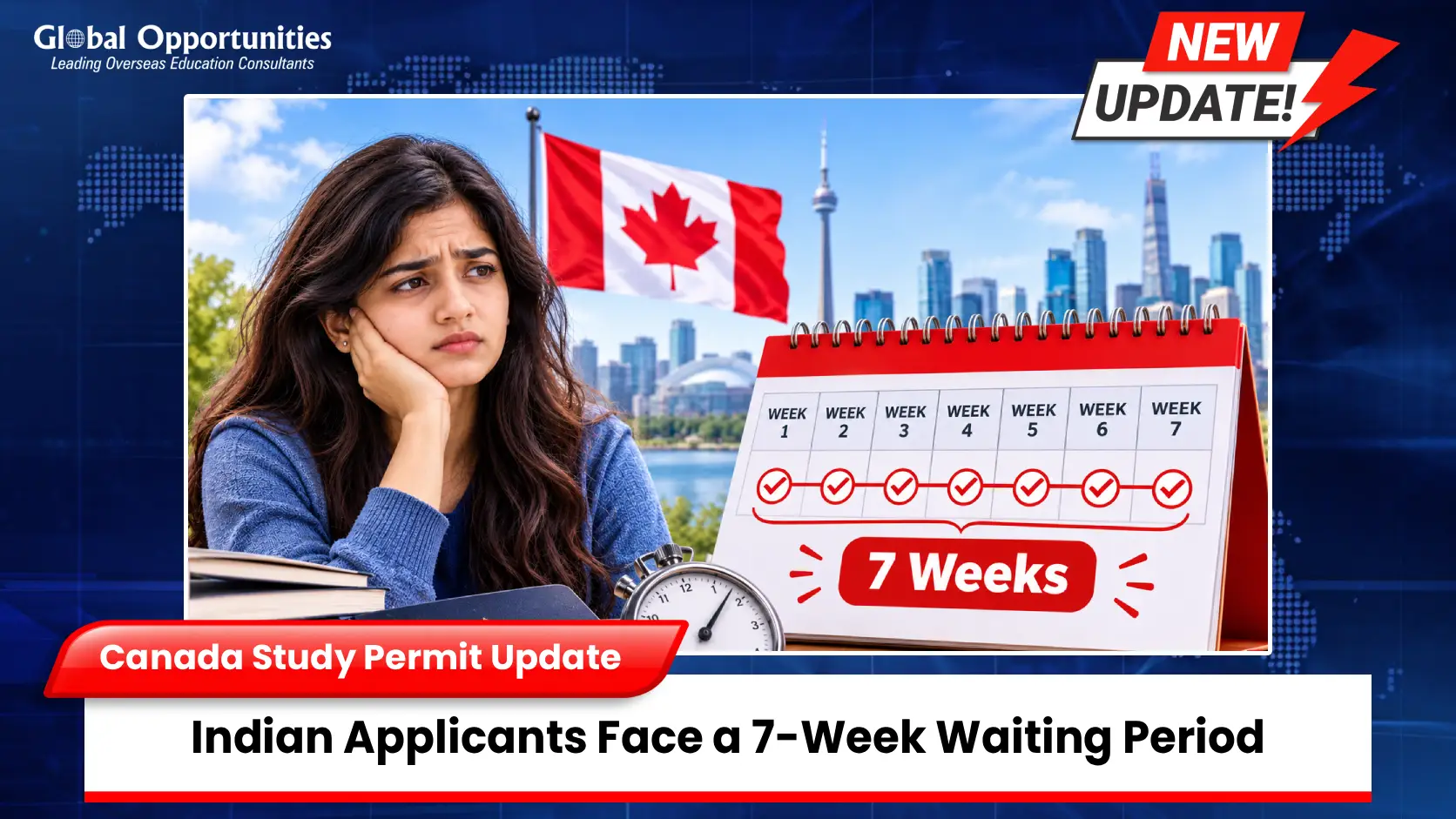
Indian students planning to pursue higher education in Canada are facing a longer wait for their study permits as processing times have increased to seven weeks, up from six weeks in the previous update. The latest figures released by Immigration, Refugees and Citizenship Canada (IRCC) on October 14, 2026, indicate a one-week increase in the estimated waiting period for applicants submitting their applications from India.
The development could affect thousands of Indian students preparing for upcoming academic intakes, particularly those planning to travel for winter and spring admissions. The increased waiting period also highlights the importance of starting the visa application process early and ensuring that all required documents are submitted correctly.
For students planning to Study In Canada, understanding the latest immigration updates is essential to avoid last-minute complications involving university admission deadlines, accommodation arrangements and travel schedules.
Canada Study Permit Processing Time for Indian Applicants
According to the latest IRCC processing-time update, the estimated processing time for a Canada Study Permit application submitted from India has increased from six weeks to seven weeks. The revised timeline reflects a one-week rise compared with the October 7, 2026, update.
The processing estimates vary depending on the applicant’s country of residence and the category of application. While Indian applicants are experiencing a longer waiting period, some countries have also recorded changes in their respective processing timelines.
For study permit applicants, the latest figures reported in the October 14 update are:
| Country of Application | Study Permit Processing Time |
| India | 7 weeks |
| Canada | 7 weeks |
| Pakistan | 8 weeks |
| Nigeria | 10 weeks |
| United States | 5 weeks |
| Philippines | 6 weeks |
The figures indicate that Indian students applying from their home country should account for approximately seven weeks for their visa decisions. However, this is an estimated processing period and does not guarantee that every application will receive a decision within the same timeframe.
Other Canada Visa Processing Times for Indian Applicants
Apart from student visas, the latest immigration update also highlights changes in other temporary residence visa categories. While visitor visa processing has improved slightly, applicants seeking Super Visas are experiencing longer waiting periods.
Here is a comparison of the estimated processing times for Indian applicants:
| Visa Category | October 14, 2026 | October 7, 2026 |
| Study Permit | 7 weeks | 6 weeks |
| Work Permit | 11 weeks | 11 weeks |
| Visitor Visa | 29 days | 30 days |
| Super Visa | 77 days | 74 days |
The processing time for work permits submitted from India remains unchanged at 11 weeks. Meanwhile, visitor visa applications have recorded a slight improvement, with the estimated waiting period decreasing from 30 days to 29 days.
In contrast, Super Visa applications, which allow eligible parents and grandparents of Canadian citizens and permanent residents to visit Canada for extended periods, have increased from 74 days to 77 days.
These changes demonstrate that processing timelines differ across immigration categories and can fluctuate depending on application volumes and the resources available to immigration authorities.
Why Are Canadian Study Permit Processing Times Important for Indian Students?
Canada continues to attract Indian students because of its internationally recognised universities, diverse academic programmes, research opportunities and post-study career prospects. However, changes in visa processing timelines can influence students’ admission and travel planning.
The increase in the Canada Study Permit waiting period is particularly important for students who have already received their university acceptance letters and are preparing to begin their academic programmes.
A delayed visa decision can create several challenges, including:
- University Admission Deadlines: Students waiting for their permits may find it difficult to meet university registration and enrollment deadlines.
- Travel Arrangements: Flight bookings and travel schedules may need to be adjusted if the visa decision takes longer than expected.
- Accommodation Planning: Students may face difficulties securing suitable accommodation if their arrival dates remain uncertain.
- Financial Planning: Delays can affect tuition fee payments, accommodation deposits and other expenses associated with relocating to Canada.
Therefore, students planning to Study In Canada should consider visa processing timelines as an important part of their overall admission strategy.
What Should Indian Students Do to Avoid Canada Study Permit Delays?
Although applicants cannot control the time taken by immigration authorities to process their applications, they can reduce the possibility of avoidable delays by preparing their documents carefully.
Students applying for a Canada Study Permit should consider the following steps:
- Apply Well in Advance: Students should initiate their visa application process as early as possible after receiving their Letter of Acceptance (LOA) from a designated learning institution.
- Prepare Financial Documents: Applicants should provide appropriate evidence of financial support to demonstrate their ability to cover tuition fees, living expenses and other costs during their studies.
- Submit Complete Documentation: Ensure that all mandatory documents, application forms and supporting information are accurate and consistent.
- Complete Biometrics Requirements: Applicants who are required to provide biometrics should schedule their appointments promptly and follow the instructions provided by IRCC.
- Monitor Application Updates: Students should regularly check their application status and respond promptly if immigration authorities request additional information or documentation.
- Avoid Non-Refundable Travel Bookings: Applicants should be cautious about confirming travel arrangements before receiving their study permit approval.
Taking these precautions can help students avoid unnecessary complications during the visa application process.
IRCC Processing Times Are Estimates, Not Guarantees
One important point highlighted by Canadian immigration authorities is that published processing times should not be considered guaranteed decision deadlines.
The actual time required to process a Canada Study Permit application can vary depending on several factors, including application completeness, verification requirements, background checks, the number of pending applications and the department’s processing capacity.
IRCC calculates processing estimates using application data and expected processing capacity. For certain temporary residence categories, the department also considers how long it has taken to finalise 80% of applications in the past.
The processing clock generally begins when IRCC receives a complete application and ends when a decision is made. Incomplete applications or cases requiring additional verification may take longer.
Students should therefore avoid planning their entire travel schedule around the published seven-week estimate.
What Does the Latest Update Mean for Students Planning to Study In Canada?
The increase in processing time from six to seven weeks is a reminder that Indian students should approach their Canadian admission and visa applications with careful planning.
Although a one-week increase may appear relatively small, it can make a difference for students working with strict university commencement dates and travel deadlines.
Canada remains an important destination for international education, offering undergraduate, postgraduate and specialised programmes across several academic disciplines. However, students should stay informed about immigration policies, permit requirements and application timelines before making their final decisions.
For Indian applicants, the latest Canada Study Permit update reinforces the importance of early preparation, accurate documentation and regular monitoring of official immigration announcements.
Students considering upcoming intakes should also remain in contact with their respective universities to understand enrolment deadlines and possible options if their visa decisions are delayed.
As IRCC continues to review and update temporary residence processing estimates, prospective applicants should check the official Government of Canada website for the latest information before submitting their applications.
Official Update: Students can check the latest visa processing estimates through the IRCC Processing Times Portal.