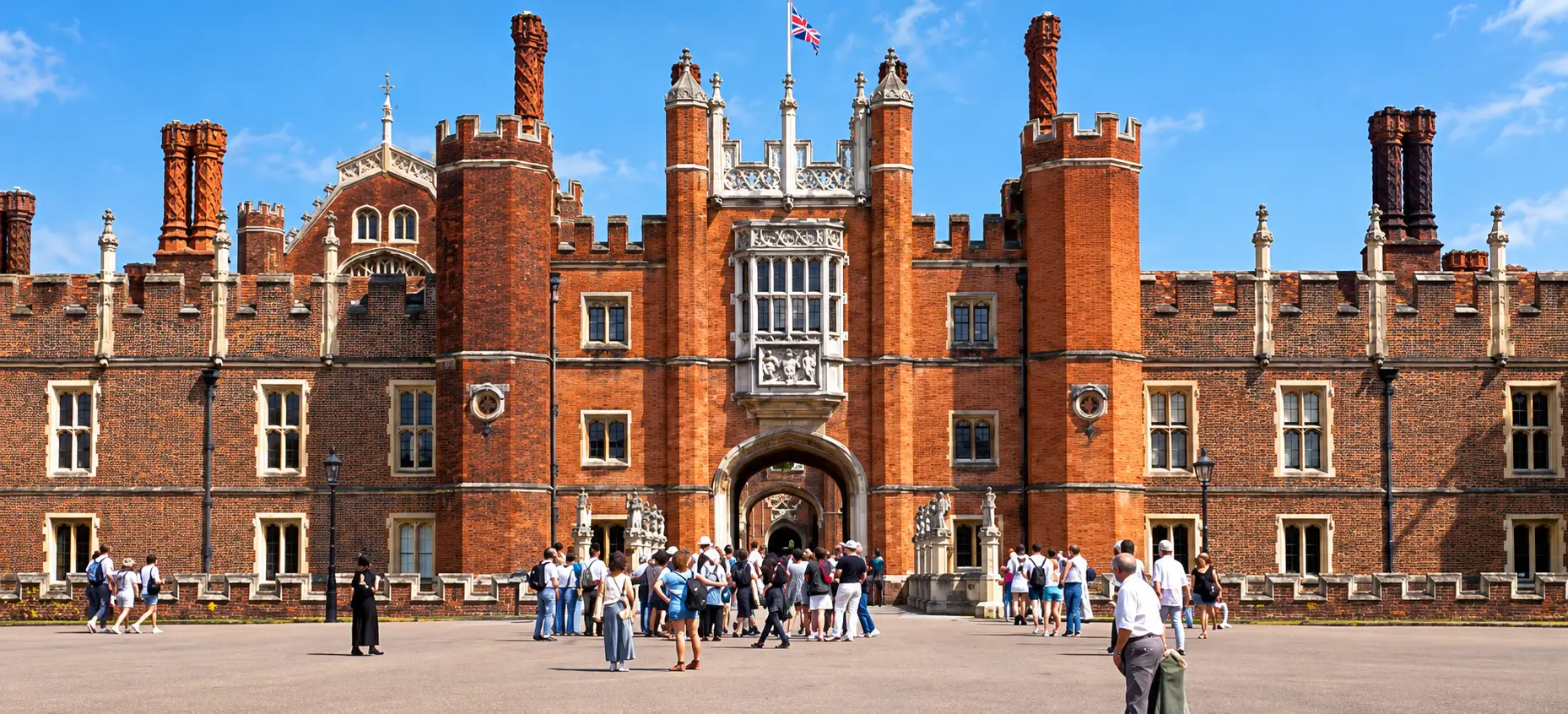

About University of Exeter
University of Exeter is an eminent public research university in the West Country, England as the leading higher education institutions in that region. Its history goes back to the 19th century, when some of its predecessor institutions began to operate, such as St Luke’s College and Camborne School of Mines. Exeter was incorporated and granted a royal charter in 1955 as part of the second wave of British civic universities. It currently has four major campuses in Devon and Cornwall, such as Streatham and St Luke’s in Exeter, and Penryn and Truro in Cornwall. The largest and main campus is Streatham, which hosts the centre of administration, research centres, and a number of ecological parks. In 2012, Exeter became a member of the Russell Group, signalling its place among other leading research universities in the UK while keeping affiliations with international organisations such as the Association of Commonwealth Universities and the European Universities Association.
University of Exeter Ranking
The University of Exeter ranks as one of the world's foremost universities. It is hailed as one of the finest educational establishments in the United Kingdom as well as appearing on the list of the best learning institutions worldwide. The University of Exeter has received recognition for its outstanding performance, having achieved TEF Gold status in terms of teaching, especially in relation to undergraduate programs. The University of Exeter has been the recipient of awards for its contribution to research and development.
World Rankings
| Organisations | Year | Ranking | Change | Institutions Ranked |
| QS World University Rankings | 2027 | 136 | +19 | 1,504 |
| Times Higher Education (THE) World University Rankings | 2026 | =170 | +2 | 2,191 |
| Academic Ranking of World Universities | 2026 | Top 200 | +8 | 1,000 |
| TIME Magazine’s World’s Top Universities Ranking | 2026 | 122 | - | 519 |
UK Rankings
| Organisations | Year | Ranking |
| QS World University Rankings | 2027 | 21 |
| The Times and Sunday Times Good for University Guide | 2027 | 16 |
| The Guardian University Guide | 2027 | 16 |
| Complete University Guide | 2027 | 11 |
University of Exeter Courses for Indian Students
Every year, several students from India enrol in the University of Exeter because of the various courses offered at the university. The most popular study programs at the university include business, engineering, computer science, law, and environmental sciences. For enrolment in undergraduate programs at the University, students need a qualification equivalent to CBSE/CISCE Class 12 and need to have a bachelor’s degree to pursue postgraduate programs at the university.
Undergraduate Courses
Most bachelor's degrees take 3 years, while courses with a placement year or study abroad option commonly take 4 years. Integrated master's programmes generally take 4–5 years.| Course name | Typical duration |
| BSc Accounting and Business | 3 years |
| BSc Accounting and Finance | 3 years |
| BSc Finance | 3 years |
| BSc Business | 3 years |
| BSc Computer Science | 3 years |
| BEng Engineering | 3 years |
| BSc Economics | 3 years |
| BA Business and Management | 3 years |
| BA Psychology | 3 years |
| BSc Biological Sciences | 3 years |
| BSc Mathematics | 3 years |
| BSc Data Science | 3 years |
| BA History | 3 years |
| BA English | 3 years |
| LLB Law | 3 years |
| BA Liberal Arts | 3 years |
| BSc Environmental Science | 3 years |
| BSc Geography | 3 years |
| BSc Sport and Exercise Medical Sciences | 3 years |
| MEng Engineering | 4 years |
| MSci Biological Sciences | 4 years |
Postgraduate Taught Courses
| Course | Full-time duration | Part-time duration / variant |
| MSc Accounting and Finance | 1 year | Check course page |
| MSc Finance | 1 year | 2 years with Industrial Experience |
| MSc Finance and Data Science | 1 year | Check course page |
| MSc Finance and Management | 9 months (September start) or 12 months (January start) | Check course page |
| MSc Computer Science | 1 year | 2 years for the specified September 2026 entry |
| MSc Data Science | 1 year | 2 years for the specified September 2026 entry |
| MSc Business Analytics | 1 year | Check course page |
| MSc International Business | 1 year | Check course page |
Postgraduate Research Courses
The University publishes maximum full-time registration periods for research degrees rather than one fixed duration for every research topic.| Research degree | Maximum full-time period |
| PhD | 4 years |
| PhD by Publication | 2 years |
| MPhil | 3 years |
| MPhil by Publication | 2 years |
| Master’s by Research (MbyRes) | 2 years |
| MbyRes by Publication | 1 year |
| Doctor of Medicine (MD) | 3 years |
| Master of Surgery (MS) | 3 years |
| Engineering Doctorate (EngD) | 4 years |
| Doctor of Clinical Psychology (DClinPsy) | 3 years |
| Doctor of Forensic Psychology (DForenPsy) | 3 years |
| Doctor of Business Administration (DBA) | 5 years, part-time |
University of Exeter Fees for Indian Students
The cost of attending the University of Exeter consists of tuition fees and daily expenses. The annual cost covers tuition fees, accommodation rent, health care insurance, food, books, and personal expenses. Generally, international students are required to have living costs apart from tuition fees of about £1150 to £1500 (approximately ₹1.3-1.7 lakh), depending on whether they stay in the dorms of the university or rent accommodation privately. Furthermore, students should account for unavoidable expenses like a UK student visa (£490) and Immigration Health Surcharge (£776/year).
Tuition Fees
Tuition costs depend on both the level of education pursued (Undergraduate against Postgraduate) and the type of course being taken (course-based versus lab-based or clinical). Here is the general structure of full-time international fees within an academic year:| Program Stream | Annual Tuition Fee (GBP) | Estimated Equivalent (INR) |
| Arts, Humanities & Social Sciences (UG/PG) | £23,500 – £25,000 | ₹26.5 Lakhs – ₹28.2 Lakhs |
| Business, Management & Law (UG/PG) | £24,500 – £29,500 | ₹27.6 Lakhs – ₹33.3 Lakhs |
| Engineering, Computer Science & STEM (UG/PG) | £27,500 – £31,200 | ₹31.0 Lakhs – ₹35.2 Lakhs |
| MBA (The Exeter MBA) | ~£39,000 | ~₹44.0 Lakhs |
| Medicine & Clinical Programs (BMBS) | £48,900+ | ~₹55.0 Lakhs+ |
Fees for Indian Students
The total expenses usually vary between ₹45 Lakhs and ₹55 Lakhs (including tuition fee + accommodation + living expenses) for Indian students in their first year.- Payment Schedules & Initial Payments – Generally, postgraduate students need to pay a deposit of £2,500 at the time of acceptance of the offer letter for block booking of the seat. This amount will be deducted from first-term tuition fees. The remaining tuition fee can be paid in two installments (50% at registration conducted in September & 50% in January).
- Scholarships – Indian students may either be automatically considered for various merit-based scholarships or apply for scholarships such as the Exeter India Merit Scholarship ($7,500 or around ₹8.4 Lakhs) awarded to eligible postgraduate taught students and the Exeter Excellence Scholarship, which is competitive in nature.
- Work Permit – Indian students are allowed to work for 20 hours per week during term-time and full-time during breaks, as per UK Student visa rules.
University of Exeter Cost of Living
Generally, living on campus in Exeter is more budget-friendly than living in many other major UK cities like London or Bristol. So, as a general rule of thumb, international students should budget for a monthly living cost of £1000-£1500 (or its Indian equivalent of roughly ₹1.15-₹1.7 Lakhs) for accommodation, meals, transport, and general lifestyle expenses.

| Expense Category | Estimated Monthly Cost (GBP) | Estimated Monthly Cost (INR) |
| Accommodation | £600 – £1,000 | ₹68,000 – ₹1,13,000 |
| Food & Groceries | £150 – £220 | ₹17,000 – ₹25,000 |
| Utilities & Internet | £40 – £80 | ₹4,500 – ₹9,000 |
| Local Transport | £35 – £50 | ₹4,000 – ₹5,700 |
| Mobile Phone Plan | £10 – £20 | ₹1,100 – ₹2,300 |
| Personal and Social Life | £100 – £180 | ₹11,300 – ₹20,400 |
| Study Materials and Supplies | £20 – £40 | ₹2,300 – ₹4,500 |
| Total Estimated Living Cost | £955 – £1,590/month | ₹1.08 – ₹1.80 Lakhs/month |
University of Exeter Scholarships for Indian Students
The University of Exeter offers scholarships to eligible Indian students pursuing undergraduate and postgraduate degrees in the UK. For the 2027/28 academic year, the university has announced country-specific awards and competitive Exeter Excellence Scholarships to help reduce tuition fees.
- Undergraduate Scholarship for Indian Students: Eligible Indian students starting an undergraduate degree in September 2027 can receive a £3,000 tuition fee reduction for each eligible year of study. The award is applied automatically to eligible offers, and a separate scholarship application is not required.
- Postgraduate Taught Scholarship for Indian Students: Eligible students starting a taught master's degree in September 2027 can receive a £10,000 tuition fee scholarship, subject to the scheme's eligibility criteria and terms.
- Exeter Excellence Undergraduate Scholarship 2027/28: The university is offering 150 competitive undergraduate scholarships worth £15,000 for eligible international students. The award is deducted from tuition fees for each eligible year of study. Round 1 closes on 4 March 2027.
- Exeter Excellence Postgraduate Taught Scholarship 2027/28: Eligible international students starting a taught master's degree in September 2027 can apply for a £15,000 tuition fee reduction. The award applies to the first year only, and the Round 1 deadline is 28 January 2027.
- January 2027 Master's Scholarships: Eligible students holding offers for selected master's programmes starting in January 2027 may apply for Exeter Excellence awards worth £3,000, £5,000 or £10,000. The published Round 4 deadline is 26 November 2026.
University of Exeter Eligibility & Admission Requirements
The University of Exeter sets specific requirements to ensure standards of academic proficiency and English language ability are met by all international applicants. The requirements differ depending on the degree level, and some courses may require particular qualifications depending on the course being taken.
Bachelor’s Degree
- Academic Eligibility: Candidates should have completed Standard XII / Higher Secondary Certificate from recognised Indian boards (CBSE, CISCE or major State Board).
- Grades: The average percentage across all subjects is required to be around 80% – 85% for Class 12 (70% – 75% for West Bengal State Board). Certain subjects may require minimum scores that must be obtained, such as 80% and above in Mathematics or Physics to qualify for certain STEM courses.
- English Language Proficiency: Candidates must give evidence of their proficiency in the English language in terms of tests like IELTS Academic, TOEFL iBT, PTE Academic, etc.
- Application Process: The application for direct undergraduate courses should be made through UCAS.
- Required Documents: All official mark sheets for Class 10 and 12, Academic Personal Statement, Academic Reference letter (LOR), a copy of passport and Portfolio (for some arts courses) must be submitted.
Master’s Degree
- Academic Eligibility: A bachelor's degree (BA, BSc, BCom, BTech, LLB, etc.) from a legitimate institution or university in India.
- Minimum GPA / Marks: Equivalent to a UK 2:1 upper second-class honours or 2:2 lower second-class honours.
- Job Experience: Although it is not mandatory for most taught master's degrees, program-specific exceptions may apply.
- English Language Competency: Prove your language comprehension abilities through tests like IELTS Academic, TOEFL iBT, etc.
- Admissions Route: Applications are filed directly through the University of Exeter system.
- Documents Required: Official transcripts from the university as well as degree certificates, statement of purpose (SOP), current CV/resume, 2 academic or professional reference letters, research proposal (for MPhil/PhD candidates).
University of Exeter English Proficiency Requirements
It is necessary for all international applicants to prove that they have a relatively good command of the English language, as it is crucial for their efficient academic performance. The profiles of the requirements vary in accordance with the discipline and level of the course, starting from the standard profiles for the science and business courses and ending with more advanced profiles for the law, medicine, and humanities degrees.Accepted English Language Tests & Scores
As proof of their English language competency, candidates interested in applying to the University of Exeter will have to provide their results of any approved language assessment. In most cases, the basic requirement implies achieving:- IELTS results equivalent to a score of 6.5 (with no score below 6.0 in each separate component),
- TOEFL score ranging from 87 to 90 (with no score below 21 points in each section),
- PTE score in the range of 64 to 67 (and at least 59 in each mode), or
- Duolingo test score varying between 115 and 120.
Additional Waiver Guidelines for Indian Students
- Exceptions to Class 12 English Test Score Requirements: Students who have completed Class 12 from a recognised Indian institution, such as CBSE or CISCE, may qualify for an exemption from IELTS or TOEFL tests if their scores in English in the class can range from 70-80% or more (however, departments will need to approve).
- Validity of Test Scores: In most cases, tests need to be taken within the last two years before the commencement of the course.
- Pre-Session English Programs: Candidates who have not received the required score may go through the INTO Exeter Pre-sessional English program before starting their main course if they have got 6.0 in IELTS instead of the required 6.5.
What documents are required to apply to the University of Exeter?
International applicants typically need the following documents to apply to the University of Exeter:-
Academic transcripts and certificates: Class 10 and 12 results for undergraduate applicants, or bachelor's degree transcripts and certificates for postgraduate applicants.
-
English-language proficiency evidence: IELTS, an accepted alternative test, or qualifying English-language qualifications, where required.
-
Personal statement: Explaining your academic interests, motivation, and suitability for the course, where applicable.
-
Reference letters: Academic or professional references if required by the programme.
-
Passport: A valid passport for identification and subsequent visa formalities.
-
CV or résumé: Usually required for selected postgraduate or professional programmes.
-
Portfolio or additional assessments: Required for certain courses, depending on the subject.
-
Financial and immigration documents: Additional evidence may be required during the CAS and Student visa process.
How to Apply to University of Exeter from India
At the University of Exeter, the admission process is simple but involves several steps; candidates can either use UCAS for undergraduate courses or can apply directly through the University’s portal for postgraduate courses. Students from India should ensure that they have all the necessary documents prepared ahead of time before the application deadlines.
- Select the degree program and check admission requirements: Check the courses on the university's site and ensure that you meet the entry requirement of 80% or higher if you are applying for undergraduate courses and 55% or higher if you are applying for postgraduate courses.
- Collect the necessary documents: Get access to your academic records starting from your Class 10 and Class 12, and do also include your SOP, LORs, CV, and passport.
- Obtain evidence of English language proficiency: Take any standard English language test that is recognised, or if you have scored more than 70% marks in English in Class 12 CBSE/CISCE, it may make you eligible for exemption from IELTS.
- Submit Your Application:
- Undergraduate Level: First, make use of the UCAS website to register and select the University of Exeter, upload your application documents, and make the payment of UCAS.
- Postgraduate Level: Once you have full knowledge, apply straight through the Exeter PG Portal by creating a new user and uploading your documents.
- Monitor Your Application Status: Check your application status through UCAS Track or the Exeter PG Portal. It usually takes 2-6 weeks to get a response regarding your application.
- Accept Your Offer and Pay the Deposit: Upon getting the conditional or unconditional offer, you accept your offer through the portal by making the payment of the tuition deposit (around £2500 for PG students).
- Apply for Scholarships and Accommodation: You can now apply for scholarships (like the India Merit Scholarship) and accommodation at the University.
- Get CAS and Schemes for your UK Student Visa: After meeting the conditions of your offer letter, you can get your CAS statement and then use your CAS and TB tests to apply for a UK student visa.
University of Exeter Intakes
The initial admission window for the University of Exeter starts in the fall, resulting in full entry to all fields of study at the university.
The University of Exeter offers multiple entry points in 2027 for undergraduate, postgraduate and online programmes. The main campus-based intake is September 2027, while selected master's programmes and online courses also offer January starts.
1. September 2027 Intake
- Undergraduate courses: Bachelor's degrees and integrated master's programmes.
- Postgraduate courses: Master's degrees across business, finance, computer science, engineering, economics and other subjects.
- Online courses: Selected online degrees and programmes.
- Application route: Undergraduate applications are generally submitted through UCAS, while master's applications are submitted through the university's application system.
2. January 2027 Intake
- Master's programmes: Selected postgraduate taught courses offer a January start.
- Online courses: Selected programmes may have alternative start dates.
- Application deadline: For master's programmes starting in January 2027, the published application closing date is 4 January 2027 at 23:59, subject to course availability and any earlier programme-specific deadline.
3. Important Application Dates for September 2027
| Application milestone | Date |
| UCAS applications open | 1 September 2026 |
| Medicine (BMBS) application deadline | 15 October 2026, 18:00 UK time |
| UCAS equal consideration deadline for most undergraduate courses | 13 January 2027, 18:00 UK time |
| Standard UCAS application cycle closes | 30 June 2027 |
| Expected start of the academic year | September 2027 |
UK Student Visa
International students are required to obtain their UK Student visa ahead of their start date at the University of Exeter. Before applying for the visa and registering for admission, students must obtain a Confirmation of Acceptance for Studies (CAS) as per the UKVI regulations.
Important Visa Requirements
- Valid Passport: Students applying should possess a valid passport or any official document which is accepted for travelling.
- Confirmation of Acceptance for Studies (CAS): Students need to apply for the CAS at the University of Exeter before applying for the Student visa.
- Unconditional Offer and Deposit: If it is required for applicants to submit a deposit to the university, it has to be done prior to the CAS issuance.
- Financial Funds Proof: Students usually need to have enough money available to cover tuition fees and daily living expenses for the first year of studies.
- 28-Day Requirement: The funds are generally required to be available for at least 28 days before applying for a visa.
- English Language Proficiency: Students need to prove their English language proficiency in case it is needed for the programme they are going to apply for.
- Academic Qualification Documents: Students may be required to submit their earlier academic qualification documents to the University of Exeter.
- ATAS Certificate: Some programs need confirmation of the Academic Technology Approval Scheme (ATAS). In case a programme requires ATAS confirmation, it needs to be obtained in advance of CAS issuance.
- Tuberculosis (TB) Test Certificate: In case they come from countries where TB screening is required by UKVI, applicants may need to submit their TB test certificates.
- Official Translations: The documents provided in any other language apart from English or Welsh must have an official translation.
- Biometric Information: The applicant needs to provide biometric information according to the instructions received during the application process.
- Visa Application Fee: The applicant must pay the necessary visa application fee before submitting the application.
Career Opportunities & Placements
The following table gives indicative annual salaries in Indian rupees (INR) for jobs in the UK, not guaranteed salaries for Exeter graduates. Actual pay depends on the role, experience, location, employer and visa eligibility.
Job Roles and Average Annual Salaries in the UK
| Job role | Average annual salary in INR |
| Software Engineer | ₹37.5–38.8 lakh |
| Data Analyst | ₹35–40 lakh |
| Data Scientist | ₹40–56 lakh |
| Business Analyst | ₹30–41 lakh |
| Financial Analyst | ₹35–50 lakh |
| Accountant | ₹35–46 lakh |
| Management Consultant | ₹45–62.5 lakh |
| Mechanical Engineer | ₹35–45 lakh |
| Civil Engineer | ₹32–40 lakh |
| Marketing Executive | ₹28–38 lakh |
| Environmental Consultant | ₹28–38 lakh |
| Research Scientist | ₹30–45 lakh |
| Cybersecurity Analyst | ₹35–50 lakh |
| Project Manager | ₹35–50 lakh |
| Sustainability Consultant | ₹27.5–37.5 lakh |
University of Exeter Student Life Experiences
The University of Exeter provides students with a vibrant combination of educational activities, social opportunities, and a wonderful standard of living against the backdrop of beautiful Devon. The academic and sports facilities, including Russell Seal Fitness Centre and several outdoor playing fields, are mainly concentrated on the scenic and botanical Streatham Campus and St Luke's Campus. The students' social life takes place in Exeter Students' Guild, offering about 300 clubs and student societies from cultural to trading and sports organisations. Apart from the academic campus, Exeter is a historical city that offers a safe, compact and student-friendly environment with a pleasant city atmosphere that consists of small cafés, active shopping areas, local market stalls and nightlife. The advantage of the city being located in South West England is that students can combine studying and outdoor activities easily at weekends or can go to nearby Dartmoor National Park or to beautiful sandy beaches of Devon and Cornwall. International students are provided with various resources to make their adaptation to the UK educational environment comfortable.Why Study at University of Exeter?
The University of Exeter offers international students the opportunity to receive high-quality education from a highly ranked institution that helps them improve their career chances and lifestyle. Here is why students are interested in studying in Exeter:- Academic prestige and quality: As one of the representatives of the Russell Group of the best British universities, Exeter ranks among the top 150 universities globally and is often included in the list of the best universities in the UK.
- Outstanding research and sustainability initiatives: Exeter is known as one of the best research centres in terms of environmental and climate studies and sustainable business operations.
- Financial aid: As part of international funding, a range of scholarships such as the Exeter India Merit Scholarship ($7,500) are provided to help students reduce their tuition fees.
- Career advancement: The university prepares its students for career challenges and helps them find well-paid jobs after graduation due to the two-year Graduate Visa program.
- Beautiful campus and surroundings: Studying at one of the campuses, students will have access to modern learning and living facilities, located just several minutes from the best local beaches and national parks.
Why Choose Global Opportunities to Study at University of Exeter?
By applying to the University of Exeter through Global Opportunities, Indian students are assured access to a hassle-free admission process to one of the premier UK universities.- Authorised Representation and Direct Processing: Global Opportunities has a 25+ year established reputation with 15+ branches pan-India as an overseas education consultant, which allows us to have direct access to and experience with UK universities in the Russell Group, making sure that the application process is completely correct.
- Personalised Course Selection: Our experts collect necessary information about the educational background, exam scores, and financial possibilities of students before recommending the best courses.
- Support in Document Verification and SOP Editing: The applicant receives assistance aimed at the successful completion of a Statement of Purpose (SOP), CV/Resume, and Letters of Recommendation (LOR), which would meet Exeter’s admission requirements.
- Scholarship Assistance: Our help involves the search for and claiming of possible financial support options, including the Exeter India Merit Scholarship (£7,500).
- Streamlined Visa & CAS Assistance: After getting an offer, the team helps to eliminate conditions, make a tuition deposit, ask for CAS, and gather evidence for obtaining a UK visa.
- Pre-departure & Accommodation Support: From getting accommodation guaranteed by the university to providing information about students’ living conditions in Devon, Global Opportunities make the process of travelling to the UK easier.
Similar Universities in the UK
| Teesside University | Cardiff Metropolitan University | Leeds Beckett University |
| University of Chester | University of East London | University of West London |
| Queen’s University Belfast | Cranfield University | Heriot Watt University |
| Middlesex University | Queen Mary University London | Newcastle University |
| University of Westminster | University of Reading | University of Sussex |
| Kingston University | University of Brighton | University of Plymouth |
| University of Lincoln | University of Bradford | Anglia Ruskin University |
| Abertay University Dundee | Aberystwyth University | Aston University |
| Bangor University | Birkbeck, University of London | Birmingham City University |
| Glasgow Caledonian University | Leeds Arts University | Queen Margaret University |
| SOAS University of London | St Mary’s University Twickenham London | Staffordshire University |
| University College Birmingham | University of Central Lancashire | University of Chichester |
| University of Essex | University of Glasgow | University of Hertfordshire |
| University of Huddersfield | University of Portsmouth | University of Salford |
| University of Strathclyde | University of the West of England Bristol |
Top Countries to Study Abroad for Indian Students
Related Articles
University of Exeter Gallery



Frequently Asked Questions
Yes, the University of Exeter is a popular choice for international students because of its academic reputation, research facilities, multicultural campus environment, and career development opportunities. It offers a wide range of undergraduate and postgraduate programmes across multiple disciplines.
The University of Exeter is known for its strengths in business, economics, engineering, environmental science, law, and humanities. It is also recognised for its research excellence, sustainability initiatives, and strong student experience across its campuses in Exeter and Cornwall.
The University of Exeter does not publish a single, universally applicable acceptance rate for all courses and international applicants. Admission competitiveness varies by programme, academic qualifications, available places, and application volume. Students should check the entry requirements for their chosen course before applying.
IELTS requirements depend on the course and degree level. Many programmes require an overall IELTS Academic score of around 6.5, with minimum scores in individual components, while some courses may require higher scores. Always check the English-language requirements for your specific programme.
Yes, the University of Exeter welcomes students from India for undergraduate, postgraduate, and research programmes. Indian applicants must meet the course-specific academic requirements, English-language criteria, and other admission conditions applicable to their chosen programme.
Application deadlines vary by course, intake, and degree level. Undergraduate applicants generally apply through UCAS, while postgraduate applicants apply directly to the university. For September 2027 entry, check the latest course-specific deadlines and apply early, as popular programmes may close sooner.
Accommodation costs depend on the campus, room type, contract length, and facilities. University-managed residences may include utilities and Wi-Fi in the rent. Students should compare the latest accommodation prices with private housing costs and budget separately for food, transport, and personal expenses.
Yes, the University of Exeter offers student accommodation options, including university-managed residences and shared living arrangements. Eligible students can apply through the university's online accommodation system after meeting the relevant conditions. Apply early because room availability and accommodation guarantees depend on eligibility and deadlines.
To receive a Confirmation of Acceptance for Studies (CAS), you generally need to accept an unconditional offer and complete the university's CAS application process. You may need to verify your personal details, immigration history, and financial information through CAS Shield. Certain postgraduate students must also pay the required tuition fee deposit before the process can begin.
An interview is not required for every course at the University of Exeter. Some programmes may require an interview, portfolio, audition, or additional assessment. International students may also be asked to complete a pre-CAS interview as part of the university's student visa sponsorship process, depending on their circumstances.
Yes, you may be able to study at the University of Exeter without IELTS if you meet its English-language requirements through an accepted alternative. Depending on your course, the university may accept other English proficiency tests or qualifying English-language qualifications, including certain Indian Class 12 English results. Check the accepted alternatives for your programme before applying.
You Should Also Check