About Oxford Brookes University
Oxford Brookes University is a public research university situated in Oxford, England. It is a modern institution that received university status under the Further and Higher Education Act 1992. It is named after John Henry Brookes, its former principal.
The statistics below prove how, over the years, Oxford Brookes University has shaped its narrative, reputation, employability and industry links:
- 97% of Brookes’ submitted research was rated internationally recognised in the UK’s 2021 Research Excellence Framework.
- The university sits among the world’s top institutions in 21 subject areas in the QS World University Rankings by Subject 2024.
- Roughly 20% of its student body is international, drawn from more than 150 countries, spread across campuses at Headington (the main site) and Harcourt Hill, with a smaller nursing-focused campus in Swindon.
Oxford Brookes University Ranking
Oxford Brookes University is a well-established UK university known for its career-focused courses, strong teaching and international outlook. Its ranking speaks for itself, look at the table below:
374
World Ranking
45
UK Ranking
Oxford Brookes University Courses for Indian Students
Oxford Brookes University offers a wide range of courses designed with workplace relevance and employability in mind. And as an Indian applicant, you should select a programme with the strongest placement and career outcomes and which has industry-relevant parameters.
Undergraduate Courses
| Course | Duration (Full-time) | Home (UK) Fee/yr | International Fee/yr |
|---|---|---|---|
| BSc (Hons) Artificial Intelligence | 3 yrs (4 with placement) | £9,790 | £18,250 |
| BSc (Hons) Computer Science | 3 yrs (4 with placement) | £9,790 | £18,250 |
| BSc (Hons) Biomedical Science | 3 yrs (4 with placement) | £9,790 | £18,250 |
| BA (Hons) Business and Management | 3 yrs (4 with placement) | £9,790 | £19,700 |
| BA/MArch Architecture (Part 1&2) | 4 yrs integrated | £9,790 | £18,250 |
| BA (Hons) Business, Enterprise and Entrepreneurship | 3 yrs (4 with placement) | £9,790 | £19,700 |
| BSc (Hons) Construction Project Management | 3 yrs (4 with placement) | £9,790 | £17,250 |
| BSc (Hons) Events Management | 3 yrs (4 with placement) | £9,790 | £17,600 |
| BA (Hons) Graphic Design | 3 yrs (4 with placement) | £9,790 | £17,250 |
| LLB (Hons) Law | 3 yrs (4 with study abroad) | £9,790 | £17,250 |
| BSc (Hons) Medical Science | 3 yrs (4 with placement) | £9,790 | £18,250 |
| BSc (Hons) Accounting and Finance | 3 yrs (4 with placement) | £9,790 | £19,700 |
| BSc (Hons) Real Estate | 3 yrs | £9,790 | £17,250 |
Postgraduate Courses
| Course | Duration (Full-time) | Home (UK) Fee | International Fee |
|---|---|---|---|
| MSc Finance | 1 yr (2 yrs sandwich) | £12,300 | £19,600 |
| MSc Marketing and Brand Management | ~1 yr | ~£12,300* | ~£19,600* |
| MSc Mechanical Engineering | ~1 yr | ~£11,250* | ~£18,500* |
| MSc Applied Sport and Exercise Nutrition | ~1 yr | ~£10,750* | ~£17,800* |
| MSc Project Management in the Built Environment | 12 mo (17 mo Jan start) | £11,250 | £18,500 |
| MSc Computer Science for Cyber Security | 1 yr | £9,950 | £19,600 |
| MSc Human Resource Management | ~1 yr | ~£12,300* | ~£19,600* |
| MSc Automotive Engineering with Electric Vehicles | ~1 yr | ~£11,250* | ~£18,500* |
| MSc International Hotel and Tourism Management | ~1 yr | ~£12,300* | ~£18,900* |
| MSc Data Science and Artificial Intelligence | 12 months | ~£11,000* | ~£18,350 |
| MSc Management and Business Analytics | ~1 yr | ~£12,300* | ~£19,600* |
| MA Interior Architecture | ~1 yr | ~£10,750* | ~£18,250* |
| MSc Psychology | ~1 yr | ~£10,750* | ~£17,800* |
Oxford Brookes University Fees for Indian Students
International fees at Oxford Brookes run roughly double the UK home rate, which is standard across UK universities rather than something specific to Brookes. There’s no separate India-specific fee at Oxford Brookes; Indian applicants pay the standard international rate.
University Fees
Beyond tuition, students should also budget for the Immigration Health Surcharge paid as part of the UK visa process and, where applicable, a placement-year fee. For 2026/27, Oxford Brookes charges £1,905 for most undergraduate and postgraduate placements, while Business School postgraduate placements cost £2,200 for a standard placement and £3,100 for an extended placement.Tuition Fees
| Study Level | Typical Annual Fee Range (GBP) |
|---|---|
| Undergraduate (most subjects) | £18,250 – £19,700 |
| Postgraduate Taught (MSc/MA) | £16,000 – £20,800 |
| Postgraduate Research (MPhil/PhD) | £18,300 – £20,100 |
Oxford Brookes University Cost of Living
Oxford is not a cheap city; it's smaller than London but priced closer to it than to Newcastle or Sheffield, largely because student demand across two universities keeps rental supply tight.
Find below an average breakdown of expenses:
| Types of Expenses | Annual Expenses |
|---|---|
| Expense | Typical Weekly/Monthly Cost (GBP) |
| University halls | £140 – £255 per week |
| Shared house (private) | £130 – £200 per week, plus utilities |
| Food and groceries | Roughly £50 – £70 per week |
| Local transport | Variable; much of Oxford is walkable or cyclable |
| Personal expenses | £30 – £60 per week |
Oxford Brookes University Scholarships for Indian Students
Financial hurdles should not come in the way when a student wishes to pursue higher education. To aid students dreams, Oxford Brookes University offers the following scholarships:
- International Student Scholarship: £2,000, awarded as a discount on second-semester tuition. Available for both September and January entry. The only real requirement is paying your tuition deposit by the stated early deadline, which makes it more about acting fast than academic competition.
- Business School International Student Scholarship: £2,000 per year (so up to £6,000 over a three-year undergraduate degree) for selected Business School undergraduate courses, again tied to an early deposit deadline rather than a separate application.
- Course-specific and external awards: smaller scholarships tied to specific postgraduate programmes (publishing, humanitarian practice, and similar niche courses) appear periodically; Chevening and Commonwealth Scholarships, while not Oxford Brookes-specific, are worth checking separately if you’re pursuing a postgraduate degree here and meet their eligibility criteria.
Oxford Brookes University Eligibility & Admission Requirements
Requirements sit at the course level rather than the university level, and Oxford Brookes is notably specific about how it converts Indian Class 12 boards into its own bands, worth reading closely rather than assuming a flat percentage applies everywhere. Make sure you understand the specific criteria.
Bachelor’s Degree
- Class 12 from a recognised Indian board: roughly 60–70%, varying by course and by board
- For courses requiring IELTS 5.5 or 6.0: Oxford Brookes requires 60% in English from the relevant board.
- For courses requiring IELTS 6.5 or higher: most boards need 65% in English, though CBSE, ICSE, and several state boards specifically need 70% in English to meet the same bar
- A levels, IB Diploma, or Foundation Year Certificate accepted as equivalent qualifications
- UCAS application with personal statement and academic reference; a portfolio or interview for Architecture and some creative courses.
Master’s Degree
- A bachelor’s degree broadly equivalent to a UK 2:2 or 2:1 (roughly 55–65% depending on the awarding institution).
- IELTS 6.0–7.0 depending on the course, with Nursing and some Health Science programmes typically requiring 7.0
- A statement of purpose and academic transcripts; a GMAT score for some MBA applicants
- Pre-master’s entry route available for applicants around 40% in their undergraduate degree who don’t meet direct entry
Oxford Brookes University Acceptance Rate
Oxford Brookes doesn’t publish an official acceptance rate. But based on recent studies and trends, one can conclude that the university has an acceptance rate of 31%. But instead of chasing numbers, you should research the courses specifically, as acceptance rates vary based on application, intakes and competitiveness.Oxford Brookes University English Proficiency requirements
Oxford Brookes’ English-language policy is more rigid than most UK universities’, which cuts both ways it can work in your favour if you know your board’s exact equivalence, or trip you up if you assume a generic threshold:- Most undergraduate courses: IELTS 6.0 overall, with specific minimums per skill set by course
- Most postgraduate courses: IELTS 6.5 overall, typically with 6.0 in each component
- Nursing and Health Science programmes: IELTS 7.0, reflecting the clinical communication demands of these courses
- CBSE, ICSE, and several state boards can substitute directly for IELTS: 60% in English typically covers courses requiring IELTS 5.5–6.0, while 70% in English is needed for courses requiring IELTS 6.5 or higher
- PTE Academic, TOEFL, and the Oxford ELLT (Oxford’s own English Language Level Test, with a discount code often available for direct registrants) are accepted alternatives
- A pre-sessional English course is available for applicants who fall just short, with entry levels from IELTS 4.5 overall.
How to Apply to Oxford Brookes University from India
The mechanics are straightforward. The part that trips up applicants is the layered set of deadlines: application, offer letter, deposit, and scholarship windows all sit at different points, and missing one doesn’t just delay you; it can cost you the scholarship attached to it.
- Shortlist your course on the Oxford Brookes website and confirm its specific fee, entry requirement, and intake: course pages are the only reliable source, not aggregator sites.
- Check eligibility against your actual board and percentage, cross-referenced against Oxford Brookes’ own English-language equivalence table if IELTS isn’t an option.
- Prepare documents: transcripts, personal statement, academic references, passport copy, and English test scores (or your board-based waiver evidence).
- Apply: UCAS for undergraduate courses, the direct Oxford Brookes portal for postgraduate (no application fee for direct applications; UCAS charges its own £28.50).
- Receive your offer, conditional or unconditional, and note the deposit deadline stated on it: this is also your scholarship deadline in most cases.
- Pay the tuition deposit (typically £2,500) to secure your place and lock in eligibility for the early-payment scholarship.
- Complete CAS Shield requirements as early as possible: Oxford Brookes’ pre-CAS interview and compliance check, required before your Confirmation of Acceptance for Studies is issued.
- Apply for your Student visa using the CAS, then handle the Immigration Health Surcharge and accommodation booking.
Oxford Brookes University Intakes
Oxford Brookes runs two main intakes each year, with a small May start for a few business courses.
1. September Intake (Main Intake)
- The primary intake — most undergraduate and postgraduate courses open.
- 2026/27 key dates:
- Welcome Weekend: 12–13 September 2026
- Induction Week: 14–18 September 2026
- Online enrolment opens: 4 September 2026
- Deposit deadline: International offer holders are advised to pay their deposit by 21 August 2026 to confirm their place (earlier for scholarship eligibility).
- Postgraduate direct-application deadline: around 31 July 2026 for the September cycle (course-dependent).
- UCAS equal consideration deadline for undergrad (Home applicants): 14 January — after that, applications are considered only if space remains.
2. January Intake
- Available for selected undergraduate, postgraduate taught, distance learning, and postgraduate research courses, especially in Business, Marketing, Finance, Built Environment, Hospitality, and Public Health.
- Applications:
- Home undergraduate → via UCAS
- Home postgraduate and all international applicants → apply direct to the University
- You can check which specific courses currently have a January 2027 start via Oxford Brookes' course search tool (filtered by "Entry in: January 2027").
3. May Intake
- A limited number of Business School courses (e.g., some MBA/Global MBA options) offer a May start — worth checking directly if you're interested in a fast-track or flexible start.
Application Routes
| Applicant type | Undergraduate | Postgraduate |
| Home (UK) full-time | UCAS | Direct to University |
| Home (UK) part-time | Direct to University | Direct to University |
| International | Direct to University (or via UCAS for full-time) | Direct to University |
A Note on timing
Given it's now September 2026, the September 2026 intake has just begun (induction week is this week). If you're planning ahead, the next realistic entry points are:- January 2027 (selected courses)
- September 2027 (main intake — applications typically open around September/October 2026 via UCAS for UG)
UK Student Visa
Oxford Brookes itself doesn’t issue a visa, it issues the CAS (Confirmation of Acceptance for Studies) that a Student visa application is built around, once you’ve met your offer conditions and paid your deposit.
- Complete the CAS Shield pre-CAS interview and compliance requirements as early as your offer allows this step is now compulsory and delays here delay everything downstream
- Once your CAS is issued, you have a limited window (Oxford Brookes flags 7 days) to show evidence of an active visa application, or the CAS can be withdrawn
- You can apply for the Student visa up to six months before your course start date
- Standard visa processing runs roughly three weeks from biometrics submission; a paid priority service can reduce this.
- You’ll need proof of funds meeting UKVI’s financial requirements, a valid passport, your CAS number, academic documents, English test evidence, and payment of the Immigration Health Surcharge.
- International students on a Student visa can work up to 20 hours a week during term time and full-time during vacations, provided it doesn’t interfere with academic commitments.
Career Opportunities & Placements
This is where Oxford Brookes’ “employability over prestige” identity actually pays off in numbers:
- 87% of full-time undergraduates are in work or further study within 15 months of graduating (HESA Graduate Outcomes Survey 2021/22).
- Even the postgraduate outcomes track similarly, with full-time employed postgraduates earning on average £6,000–£7,000 more than other graduates in UK government labour market data.
| Job Designation / Role | Entry Level (0–2 Years) | Mid-Level (3–5 Years) | Experienced (6–10+ Years) |
|---|---|---|---|
| Software Developer / Software Engineer | £28,000–£35,000 | £40,000–£55,000 | £55,000–£75,000+ |
| Data Analyst | £27,000–£34,000 | £35,000–£48,000 | £50,000–£65,000+ |
| Business Analyst | £28,000–£35,000 | £40,000–£55,000 | £55,000–£70,000+ |
| Accountant / Financial Analyst | £26,000–£32,000 | £35,000–£48,000 | £50,000–£70,000+ |
| Marketing Executive / Marketing Specialist | £24,000–£30,000 | £32,000–£45,000 | £45,000–£60,000+ |
| Project Manager | £28,000–£35,000 | £40,000–£55,000 | £55,000–£75,000+ |
| Civil / Structural Engineer | £28,000–£35,000 | £38,000–£50,000 | £50,000–£65,000+ |
| Architect / Architectural Assistant | £25,000–£32,000 | £35,000–£45,000 | £45,000–£60,000+ |
| HR Executive / HR Advisor | £25,000–£30,000 | £32,000–£42,000 | £43,000–£55,000+ |
| Teacher / Education Professional | £30,000–£35,000 | £36,000–£45,000 | £45,000–£55,000+ |
| Healthcare Professional | £28,000–£35,000 | £35,000–£45,000 | £45,000–£60,000+ |
| Operations / Supply Chain Manager | £27,000–£33,000 | £38,000–£50,000 | £50,000–£70,000+ |
Oxford Brookes University Student Life Experiences
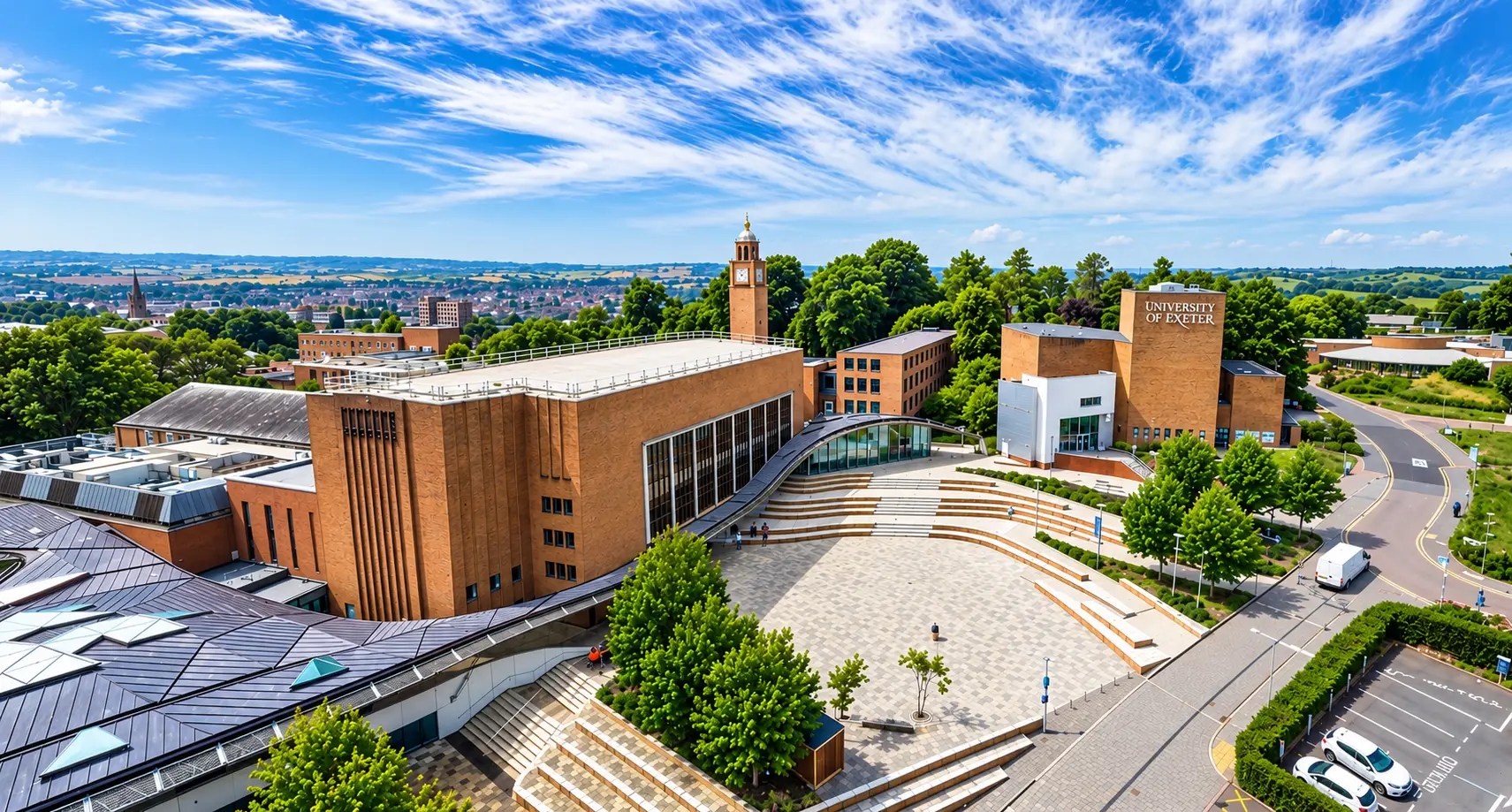
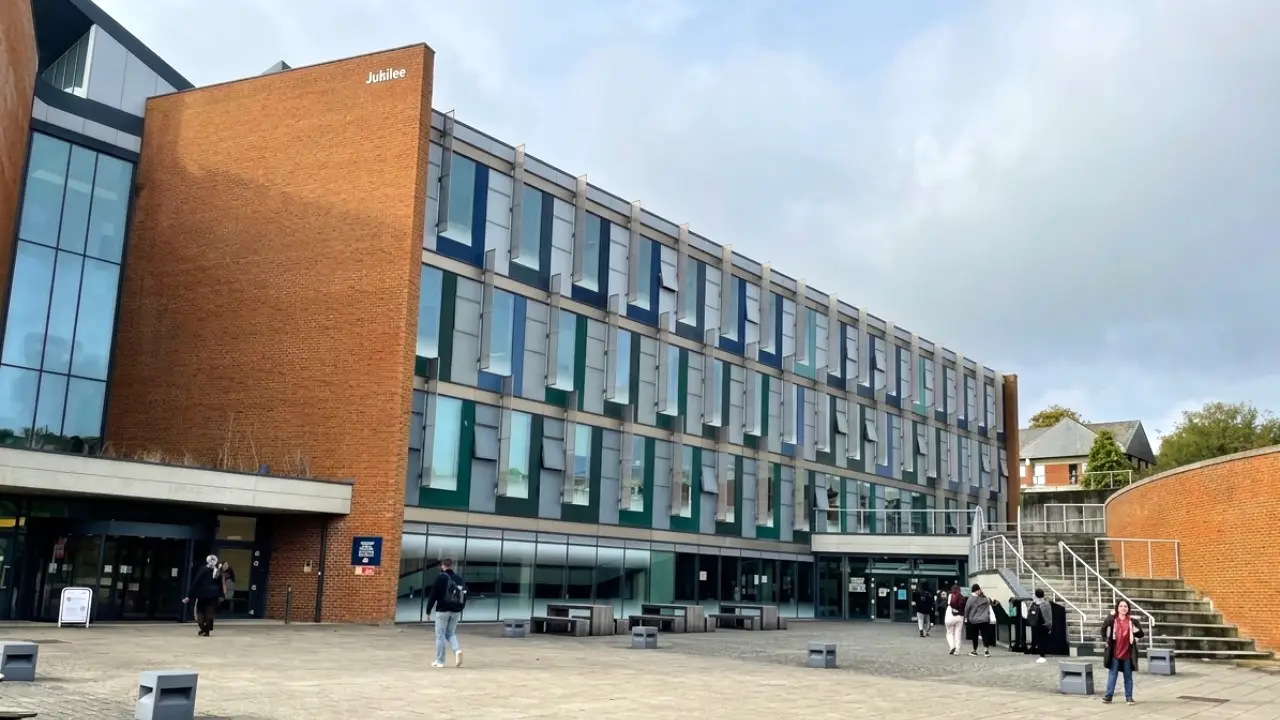
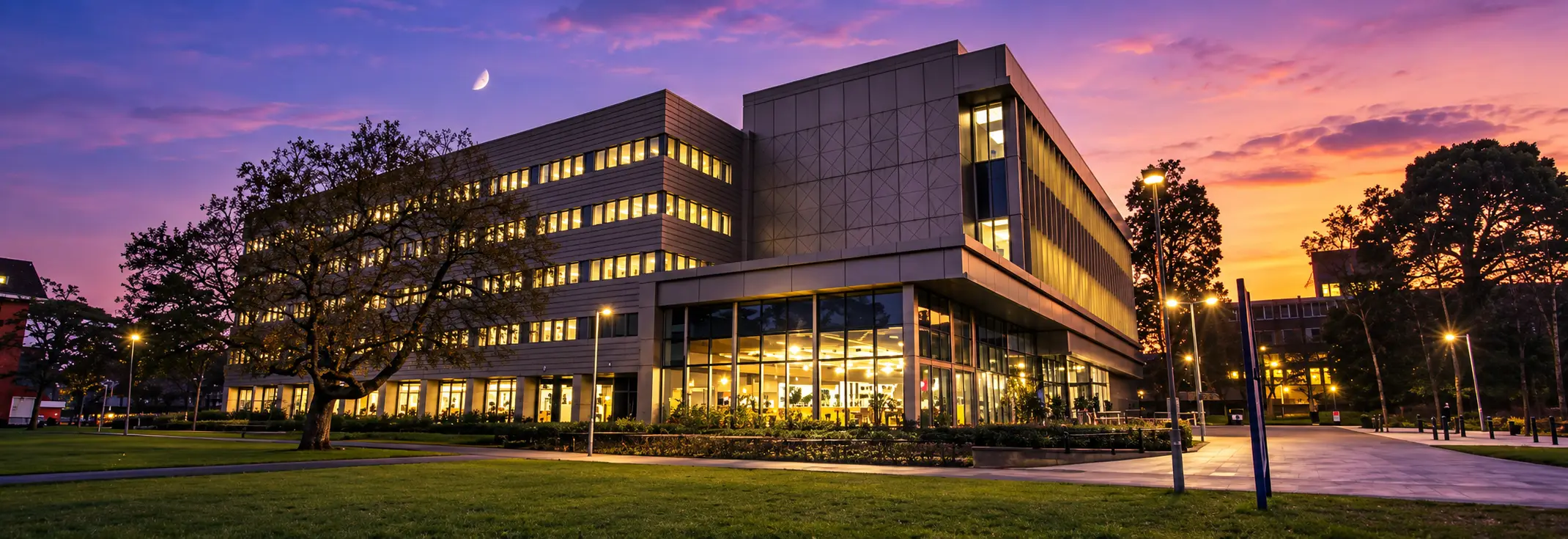
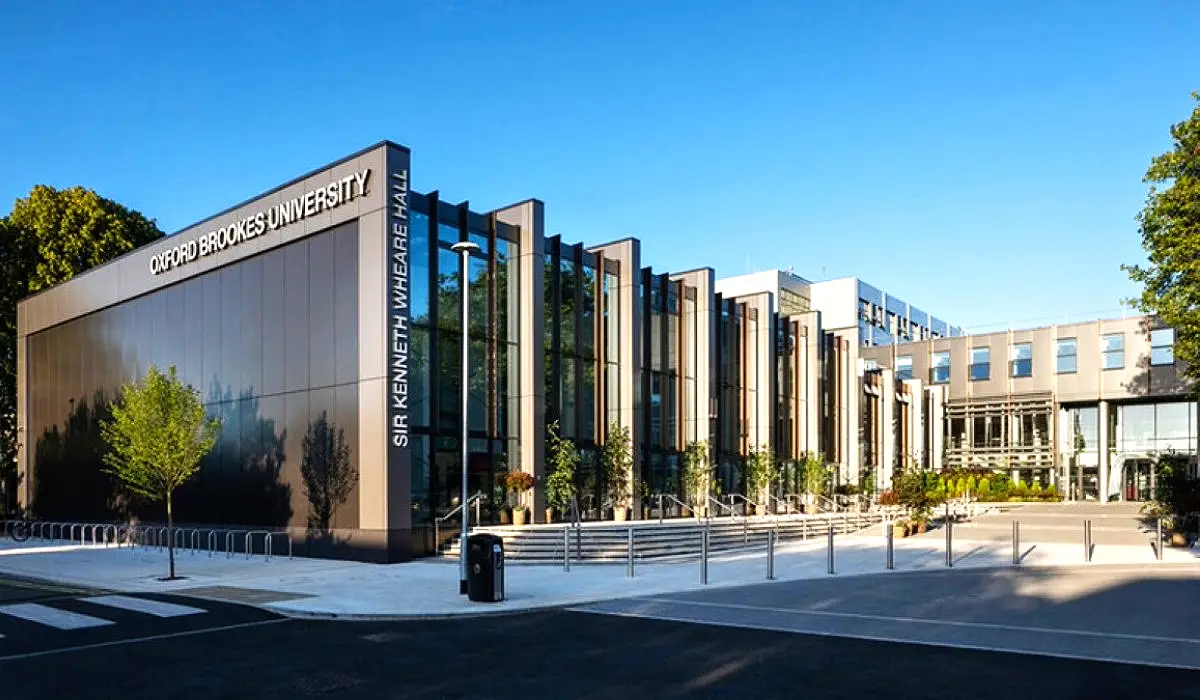
Student life runs across two campuses that feel quite different from each other:- Headington, the main site, has been in active redevelopment, with new teaching buildings bringing engineering, motorsport, architecture, and art and design together as of the 2025/26 academic year, alongside the award-winning John Henry Brookes Building that houses the library.
- Students’ Union and central services. Harcourt Hill, three miles out, is quieter and greener, now used mainly for accommodation.
- Brookes Union runs the societies and sports clubs, and with students from more than 150 countries, cultural and nationality-based societies are genuinely active rather than nominal.
- Living in Oxford itself is part of the appeal: a compact, walkable city with centuries of architecture, a large combined student population across both universities, and an established Indian and South Asian community built up over years of Brookes’ consistently large Indian cohort.
Why Study at Oxford Brookes University?
Oxford Brookes University is a popular choice for international students because of its career-focused education, strong industry links, international community, and location in Oxford. Key reasons to consider the university include:- Study in Oxford: Students can experience life in one of the UK's most internationally recognised university cities, with excellent cultural, professional and networking opportunities.
- Career-focused courses: Many programmes are designed around practical learning and employability, helping students develop skills relevant to their chosen industries.
- Strong industry connections: The university works with employers and professional organisations, providing opportunities for placements, projects and real-world learning.
- Wide range of programmes: Students can choose from undergraduate and postgraduate courses across areas such as business, engineering, computing, architecture, healthcare and social sciences.
- International student community: Oxford Brookes welcomes students from around the world, creating a diverse and multicultural campus environment.
- Modern learning facilities: Students have access to specialist facilities, libraries, laboratories, studios and technology-supported learning environments.
- Support for international students: The university provides dedicated support covering areas such as visas, accommodation, careers, wellbeing and settling into life in the UK.
- Good location for career opportunities: Oxford's proximity to major business and technology hubs, including London, can provide additional opportunities for networking, internships and graduate careers.
- Research and innovation: Postgraduate students can benefit from the university's research environment and opportunities to engage with research-led teaching and projects.
Why Choose Global Opportunities to Study at Oxford Brookes University?
When a student decides that he/she wishes to study abroad, a great chain of work hustle also comes into play. Be it decoding a fee, scholarship structure with overlapping deadlines, and matching your board’s percentage against Oxford Brookes’ granular English-language table, this is a lot to get right without support. Global Opportunities works with students through each stage and help with:- shortlisting the right course for their profile and budget,
- reviewing personal statements and SOPs
- tracking application, deposit, and scholarship deadlines
- preparing for the Student visa and pre-departure process.
Similar Universities in the UK
| University of Bradford | London South Bank University | University of Chester |
| Cardiff Metropolitan University UWIC | Heriot-Watt University | University of East London |
| Cranfield University | Newcastle University | University of Lincoln |
| University of Exeter | Queen Mary University London | University of Plymouth |
| Istituto Marangoni | Middlesex University | University of Reading |
| Keele University | Queen’s University Belfast | University of Roehampton |
| Kingston University | Robert Gordon University (RGU) | University of South Wales |
| Leeds Beckett University | Teesside University | University of Sunderland |
| University of Bolton | University of Sussex |
Top Countries to Study Abroad for Indian Students
| Study In Canada | Study In New Zealand | |
| Study In Ireland | ||
| Study In Singapore | ||
| Study In Malaysia |
Related Articles
| Artificial Intelligence Courses in the UK | ||
| Data Science Courses in the UK | ||
| Engineering Management in the UK |
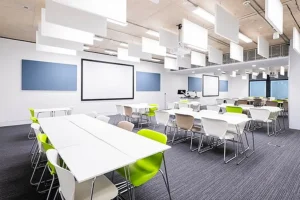
Oxford Brookes University Gallery

Frequently Asked Questions
Yes, particularly for its employability record and specific subject strengths. It’s a modern university (university status since 1992) that has built its reputation on industry links rather than tradition, with 87% of undergraduates in work or further study within 15 months of graduating.
Yes, it has one of the larger Indian student cohorts among UK modern universities, a granular English-language equivalence table that recognises most Indian boards directly, and an accessible early-deposit scholarship that doesn’t require a separate competitive application.
Architecture (one of the largest schools of its kind in Britain), Business and Hospitality Management, and Motorsport Engineering, alongside strong Nursing and Health Sciences programmes.
In Oxford, England, across two main campuses, Headington (the primary site) and Harcourt Hill with a smaller nursing-focused campus in Swindon.
Typically 6.0 overall for undergraduate courses and 6.5 for postgraduate courses, rising to 7.0 for Nursing and Health Science programmes. Several Indian boards can substitute directly, subject to specific percentage thresholds.
Yes, roughly 20% of its student body is international, drawn from more than 150 countries.
For undergraduate courses, typically 60–70% in Class 12 depending on the course. For postgraduate courses, a bachelor’s degree broadly equivalent to a UK 2:2 or 2:1, roughly 55–65% depending on your awarding institution.
Yes, through university halls of residence, most commonly used in the first year, with students typically moving to private shared housing from second year onward.
Yes, more than 60 courses include an integrated work placement, some compulsory, with partnerships spanning over 500 employers including, in specific fields like motorsport, Formula 1 teams.
No. They are entirely separate institutions that share a city but have no academic or administrative connection.
The University of Oxford is one of the world’s oldest universities, ranked #4 globally in QS 2027. Oxford Brookes is a modern university, university status since 1992, ranked #411 globally in QS 2027 strong in specific applied subjects but a fundamentally different type of institution with different admissions standards.
Yes, it is a publicly funded UK university.
No. Russell Group membership is limited to a specific set of research-intensive UK universities, and Oxford Brookes, as a modern post-1992 university, is not among them.
Yes. As a UK-recognised degree-awarding institution, its qualifications are fully recognised, and specific programmes carry additional professional accreditation — for example, the MBA is AMBA-accredited, and several courses are recognised by bodies including RIBA (Architecture), the NMC (Nursing), and CMI/EFMD (Business).
You Should Also Check