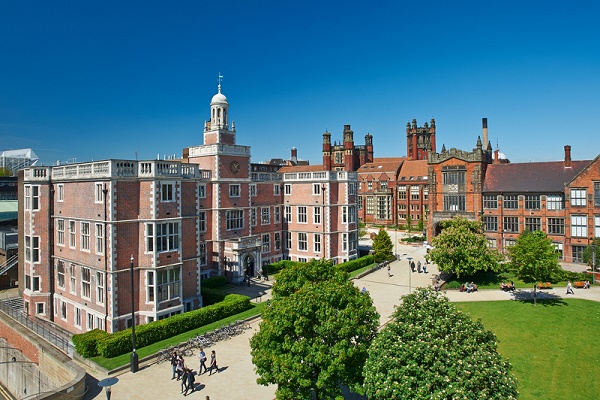
About Newcastle University
Newcastle University Ranking
35
Complete University Guide (2027) - National
81
The Guardian (2026) - National
34
Times / Sunday Times (2026) - National
201–300
ARWU Shanghai Ranking (2026) - Global
149
QS World University Rankings (2027) - Global
144
THE World University Rankings (2026) - Global
Newcastle University Courses for Indian Students
Undergraduate Courses
Undergraduate degrees at Newcastle typically run 3-years (4-years for many engineering and integrated master’s programmes). Popular choices among Indian applicants include:| Course | Standard Duration | With Placement Year |
| Computer Science (BSc) | 3 years | 4 years (optional paid industry placement) |
| Mechanical Engineering (BEng) | 3 years | 4 years (BEng with placement) |
| Mechanical Engineering (MEng) | 4 years | 5 years (MEng with placement) |
| Civil Engineering / Electrical & Electronic Engineering | 3 years (BEng) | 4 years (BEng with placement) or 4 years (MEng) / 5 years (MEng with placement) |
| Business Management | 3 years | 4 years (with placement) |
| Accounting & Finance | 3 years | 4 years (with placement) |
| Biomedical Sciences | 3 years | 4 years (with placement, where offered) |
| Pharmacy (MPharm) | 4 years | — (integrated Master's; no shorter route) |
| Architecture (BA Hons) | 3 years | — (this is RIBA Part 1 only; a further 2-year MArch and a placement-based PgDip are needed for full architect qualification, but those are separate postgraduate stages) |
| Economics | 3 years | 4 years (with placement, where offered) |
Postgraduate Courses
Postgraduate taught programmes generally run 12 months full-time, and this is where Newcastle offers its widest range of specialisations. Programmes that draw consistent interest from Indian students include:| Course (as originally listed) | Confirmed Duration |
| MSc Computer Science | 12 months full-time (24 months part-time option) |
| MSc Data Science | 12 months full-time |
| MSc Advanced Mechanical Engineering | 12 months full-time |
| MSc Robotics | 12 months full-time |
| MSc International Business Management | 12 months full-time |
| MSc Finance | 12 months full-time |
Newcastle University Fees for Indian Students
University Fees
Beyond tuition, applicants should budget for a few recurring costs: the Immigration Health Surcharge (IHS) for NHS access during the visa process, mandatory course materials or lab/studio fees on certain science and design programmes, and accommodation deposits. Newcastle also offers a 2% early-payment discount for students who pay their annual tuition fee upfront and in full.Tuition Fees
Always confirm the exact fee for a chosen course on the official Newcastle University course page, since fees are set individually and typically rise a few percent each academic year. The table below shows the current university fees:| Study Level | Typical Annual Fee Range (GBP) |
| Undergraduate – most subjects | £25,000–£32,000+ |
| Postgraduate Taught (MSc/MA) | £15,000–£31,000+ |
| MBA | £33,250 |
Newcastle University Cost of Living
| Expense | Typical Monthly Cost (GBP) |
| University halls / shared accommodation | £390 – £950 |
| Food and groceries | £120 – £250 |
| Utilities (if not included in rent) | £70 – £80 |
| Local transport (Metro/bus student pass) | £28 – £65 |
| Personal expenses and course materials | £50 – £100 |
- A reasonable overall estimate for a student in shared housing, excluding tuition, is roughly £900–£1,300 a month, though this shifts depending on accommodation type and lifestyle.
- On-campus university halls range from around £98 to £243 a week depending on room type, while a private one-bedroom flat in the city centre runs closer to £940 a month.
- UK Student visa applicants should also budget for the Immigration Health Surcharge, which is paid upfront as part of the visa application and covers NHS access for the length of the course.
Newcastle University Scholarships for Indian Students
| Scholarship | Level | Typical Award | Notes |
| Vice-Chancellor’s Excellence Scholarship – India | Undergraduate | 50% tuition fee reduction | Requires an offer with grades broadly equivalent to ABB at A level or higher; limited number of awards, fixed application closing dates |
| Vice-Chancellor’s International Scholarships | Undergraduate & Postgraduate Taught | Partial award (around £4,000–£8,000 toward tuition) | Automatic consideration once an eligible offer is held; no separate application in most cases |
| Vice-Chancellor’s Excellence Scholarships – Postgraduate | Postgraduate Taught (Master’s) | 50% or, for a small number of awards, full tuition fee coverage | Assessed on academic ability and quality of application; limited eligible programme list |
Newcastle University Eligibility & Admission Requirements
Bachelor’s Degree
- Class 12 (CBSE/CISCE or recognised state boards): generally around 70–75% overall, with relevant subject requirements for courses like Engineering (Physics, Chemistry, Maths) or Biomedical Sciences.
- A UCAS application, including a personal statement and an academic reference
- English language proficiency evidence (see IELTS section below) unless a recognised waiver applies.
- Some programmes, particularly Medicine, Dentistry, and Architecture, may require additional tests, a portfolio, or an interview.
Master’s Degree
- A recognised bachelor’s degree, typically equivalent to a UK upper-second-class (2:1) honours degree, broadly 58–65% depending on the Indian university’s grading band and the specific course
- A statement of purpose outlining academic and career motivation
- Academic transcripts and, for some programmes, a CV and references
- Relevant work experience or a research proposal for select MBA, research-intensive, or professional programmes.
Newcastle University IELTS requirements
English test scores are one of the most common reasons why students face rejections. Do not delay this crucial step. Hence, it is worth checking the exact requirement for a specific course rather than assuming the university requirement:| Programme Level | IELTS Overall | Minimum in Each Sub-Skill |
| Undergraduate | 6.5 | 5.5 |
| Postgraduate | 6.5 (varies by course) | Check individual course page |
- Newcastle also accepts PTE Academic (a score of 70 corresponds to IELTS 6.5), TOEFL iBT.
- Some Indian students qualify for an English test waiver- for example, applicants with 75% or above in English in their Class 12 CBSE or CISCE examination may be exempt, subject to the course’s specific policy.
Newcastle University Acceptance Rate
Newcastle University does not publish an official acceptance rate: the closest reliable figure comes from UCAS undergraduate admissions data.- For 2025 entry, Newcastle received 37,575 applications and accepted 6,780 students, giving an accepted rate of approximately 18%.
- The overall offer rate was considerably higher, at around 77.6%, meaning most applicants received an offer, though not all of them enrolled.
- This pattern has stayed fairly consistent in recent years, with the accepted rate ranging between 17.5% and 20% and the offer rate between 76.6% and 78.2% from 2021 to 2025.
- Acceptance is highly course-dependent: programmes like Medicine, Dentistry, and Law are significantly more competitive than this university-wide average.
How to Apply to Newcastle University from India
- Shortlist a course on the official Newcastle University website and check its specific entry requirements, intake, and fee.
- Check eligibility, including academic percentage, subject prerequisites, and English language score.
- Prepare documents: academic transcripts (Class 10 and 12, or degree marksheets for postgraduate applicants), a passport copy, a personal statement or statement of purpose, academic references, and a CV for most postgraduate and MBA applications.
- Submit the application: undergraduate applicants apply through UCAS; postgraduate applicants generally apply directly via the university’s online portal.
- Receive a conditional or unconditional offer, and, if applicable, get automatically considered for eligible Vice-Chancellor’s scholarships.
- Meet offer conditions, such as final grades or an English test score, within the stated deadline.
- Pay the tuition fee deposit (where required) to confirm the place.
- Apply for a Student visa and the CAS (Confirmation of Acceptance for Studies) once the offer is confirmed, then arrange pre-departure formalities such as the Immigration Health Surcharge payment and accommodation booking.
Newcastle University Intakes
January Intake
A smaller number of postgraduate programmes, mainly in business and some science and engineering courses, open for January entry. This intake suits students who miss the September deadline or want to start their course sooner after finishing their previous degree, but not every subject offers it; this should be confirmed on the specific course page.September Intake
September is the primary intake for almost every undergraduate and postgraduate programme at Newcastle, and it carries the widest course choice, the fullest scholarship cycle, and the most established accommodation and orientation support.April Intake
A very limited set of postgraduate programmes offer an April start, generally aimed at students who need a mid-year entry point. Availability is course-specific and considerably narrower than the September or January options.UK Student Visa
- Visa type: International students generally need a UK Student visa to study at Newcastle University.
- CAS: Students must receive a Confirmation of Acceptance for Studies (CAS) from the university before applying for the visa.
- Financial requirement: Applicants must show they have sufficient funds to cover their tuition fees and required living costs.
- English language: Students must meet the required English-language criteria for their course and visa.
- Genuine Student requirement: Applicants must demonstrate that they are a genuine student with a credible study plan.
- ATAS: Some postgraduate courses may require an Academic Technology Approval Scheme (ATAS) certificate before the visa application.
- Health requirements: Depending on circumstances, applicants may need to meet UK health-related requirements, such as paying the Immigration Health Surcharge.
- Important: Visa rules, fees and financial thresholds can change, so students should check the latest UKVI requirements before applying.
Career Opportunities & Placements
- According to the university’s Graduate Outcomes figures, 94% of its 2020/21 graduates were in employment.
| Study Area | Possible Job Roles After Graduation | Indicative UK Salary* |
| Computer Science / Data Science | Software Developer, Data Analyst, AI/ML Specialist, Cyber Security Analyst, Cloud/Technical Consultant | £28,000–£45,000 |
| Engineering | Graduate Engineer, Mechanical Engineer, Civil Engineer, Electrical Engineer, Project Engineer | £28,000–£40,000 |
| Business Management | Business Analyst, Management Consultant, Operations Executive, Project Coordinator, Business Development Executive | £25,000–£38,000 |
| Accounting & Finance | Graduate Accountant, Financial Analyst, Audit Associate, Tax Associate, Risk Analyst | £25,000–£40,000 |
| Economics & Finance | Economist, Financial Analyst, Investment Analyst, Risk Analyst, Data Analyst | £28,000–£45,000 |
| Biomedical Sciences | Biomedical Scientist, Laboratory Technician, Research Assistant, Clinical Research Associate | £25,000–£35,000 |
| Pharmacy | Pharmacist, Clinical Pharmacist, Community Pharmacist, Hospital Pharmacist | £30,000–£45,000+ |
| Architecture | Architectural Assistant, Architectural Technologist, Design Assistant, Urban Design Assistant | £25,000–£35,000 |
| Computer Science MSc | Software Engineer, Software Developer, Technical Consultant, DevOps Engineer, IT Project Manager | £30,000–£45,000+ |
| MBA / Business Master's | Business Consultant, Business Analyst, Project Manager, Marketing Manager, Operations Manager | £30,000–£50,000+ |
Students Essential Service
Settling into a new country goes more smoothly when a student knows which university services to lean on from week one. Newcastle’s Student Wellbeing and International Student gets:- Support teams offer visa and immigration advice, academic skills support, disability and mental health services, and a dedicated International Advice Team that helps with everything from bank account setup to Council Tax exemption queries.
- The Students’ Union runs a hardship fund and cost-of-living support specifically for international students, alongside free financial advice sessions useful for students managing a fixed budget in a new currency.
Newcastle University Campus Life
- Campus life at Newcastle is shaped as much by the city as by the university itself:
- The campus sits directly in the city centre rather than on an out-of-town site.
- Newcastle’s main shopping and cultural districts are all within walking distance of each other.
- The Students’ Union runs more than 60 sports clubs and over 200 societies, ranging from subject-specific academic societies to cultural groups, which give Indian students an easy way to connect with a wider community early on.
- Facilities include the Philip Robinson Library (open 24/7 during term time), well-equipped labs and clinical skills suites for science and health courses, and the Sport Newcastle complex.
- Newcastle International Airport is a short Metro ride from campus, which matters for students travelling home during breaks.
Newcastle University Student Life Experiences
Life outside timetabled classes tends to shape how students actually remember their study experience, and Newcastle’s compact city-centre setting offers:- The city itself has a reputation as one of the UK’s more affordable and student cities, with a large combined student population (Newcastle University and Northumbria University together) that keeps the nightlife, café culture, and events calendar consistently active through term time.
- Indian students often mention two things settling in faster than expected: the availability of Indian groceries and restaurants around the Chinatown and Grainger Market areas, and the ease of commuting, thanks to the Metro network and walkable city layout.
- The Students’ Union also runs budget-conscious initiatives: discounted food schemes, free health products on campus, and a free student pantry that help offset day-to-day costs during the first term while a new student is still settling their finances.
Why Study at Newcastle University?
Newcastle earns its place as one of the most picked universities by Indian students:- A genuine Russell Group research pedigree and well-structured courses
- Affordable cost-of-living profiles among major UK university cities, and a placement culture
- For Indian students specifically, the dedicated Vice-Chancellor’s Excellence Scholarship and an established South Asian student community make the transition noticeably easier.
Why Choose Global Opportunities to Study at Newcastle University?
Shortlisting the right course, decoding entry requirements, and tracking scholarship and visa deadlines across multiple universities is a lot to manage alongside Class 12 or a final-year degree. Global Opportunities works with students through each stage of a Newcastle University application:- from comparing course options and checking eligibility
- to reviewing personal statements and SOPs
- organising documentation, applying for eligible scholarships
- preparing for the Student visa and pre-departure process.
Similar Universities in the UK
|
University of Bradford |
London South Bank University |
University of Chester |
|
Cardiff Metropolitan University UWIC |
Heriot-Watt University |
University of East London |
|
Cranfield University |
Queen Mary University London |
University of Lincoln |
|
University of Exeter |
Oxford Brookes University |
University of Plymouth |
|
Istituto Marangoni |
Middlesex University |
University of Reading |
|
Keele University |
Queen's University Belfast |
University of Roehampton |
|
Kingston University |
Robert Gordon University (RGU) |
University of South Wales |
|
Leeds Beckett University |
Teesside University |
University of Sunderland |
|
University of Bolton |
University of Sussex |
Top Countries to Study Abroad for Indian Students
Related Articles
| Artificial Intelligence Courses in the UK | ||
| Data Science Courses in the UK | ||
| Engineering Management in the UK |
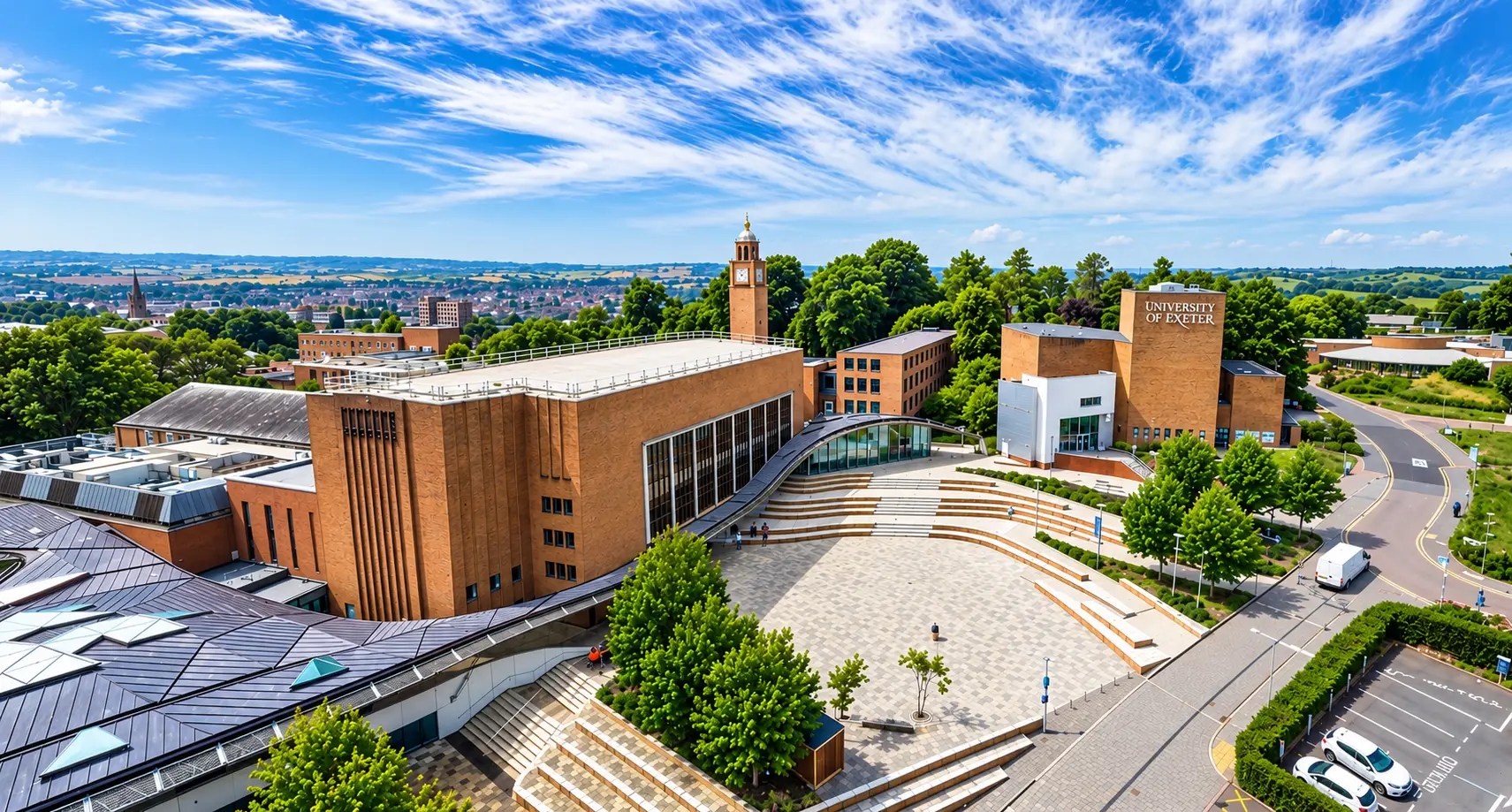
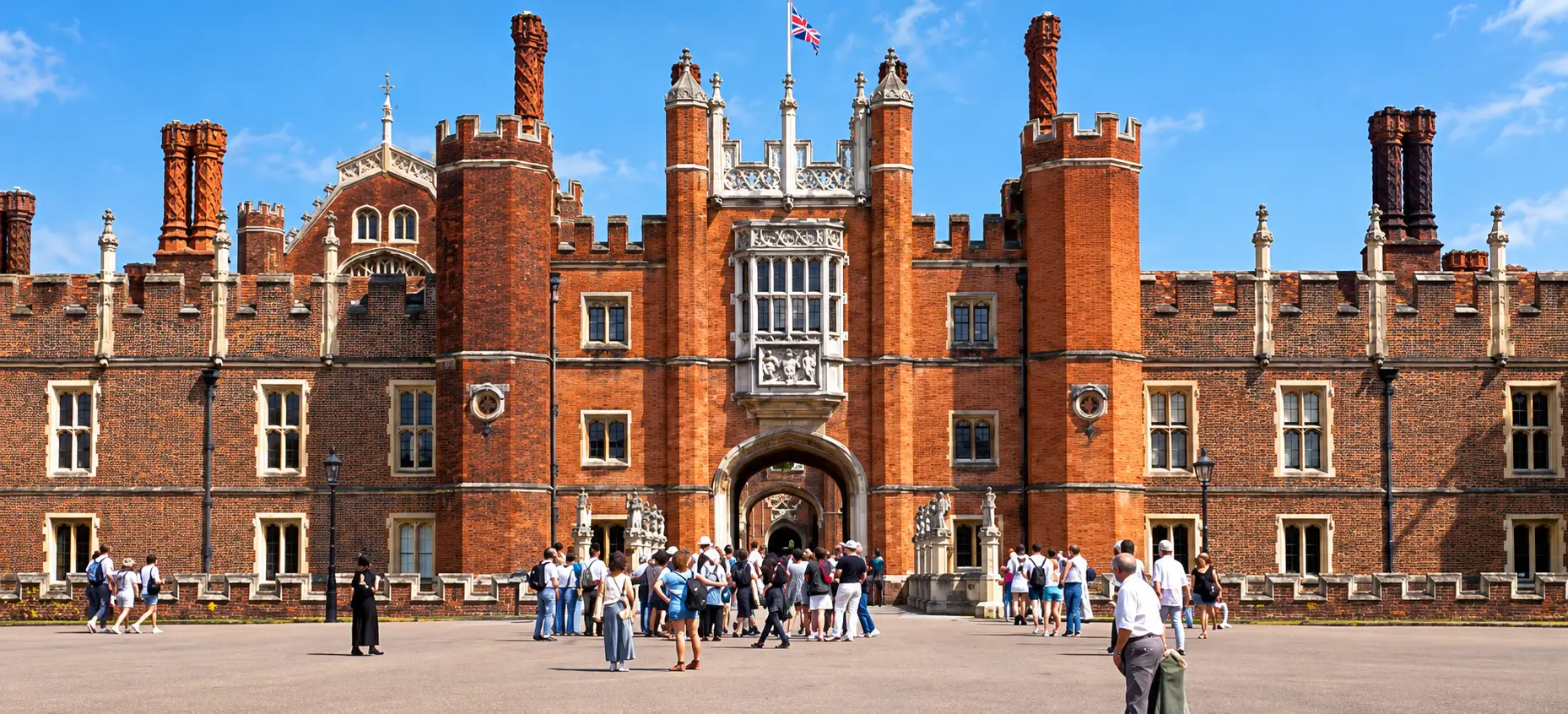
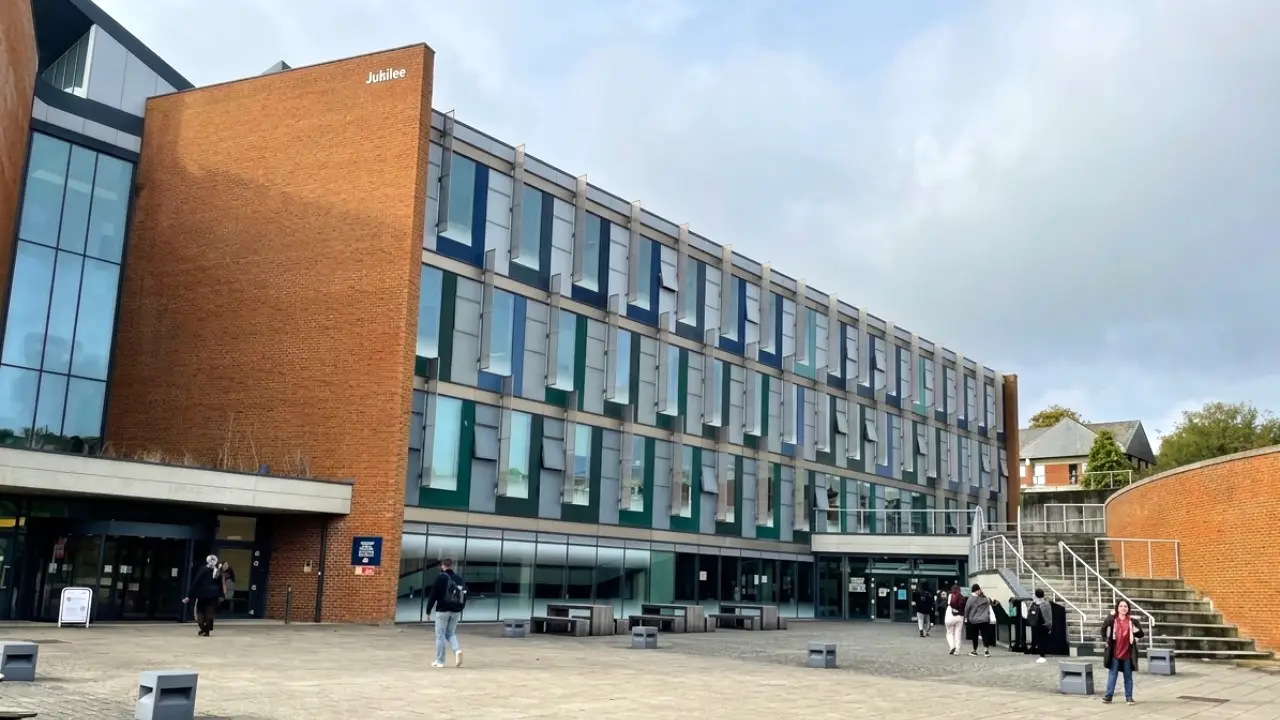
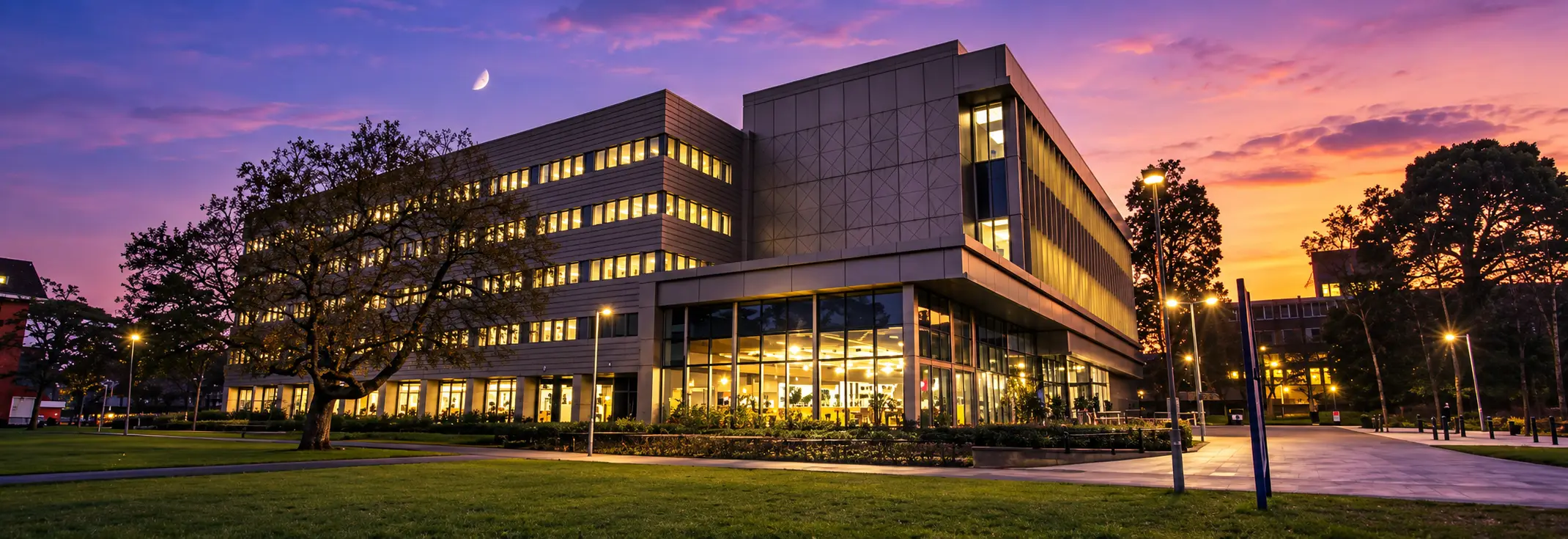
Newcastle University Gallery


Frequently Asked Questions
You Should Also Check